Table Of Contents
- Understanding Estha AI and Microsoft Teams Integration
- Benefits of Connecting Estha AI to Microsoft Teams
- Prerequisites for Integration
- Step-by-Step Guide to Connect Estha AI to Microsoft Teams
- Customizing Your Estha AI Teams Integration
- Troubleshooting Common Integration Issues
- Use Cases and Examples
- Conclusion
In today’s fast-paced business environment, the ability to integrate AI capabilities directly into your team’s workflow can dramatically enhance productivity and innovation. Microsoft Teams has become a central hub for collaboration in many organizations, while AI assistants are revolutionizing how we process information and automate tasks. Connecting your custom Estha AI applications to Microsoft Teams creates a powerful combination that brings intelligent automation right where your team already works.
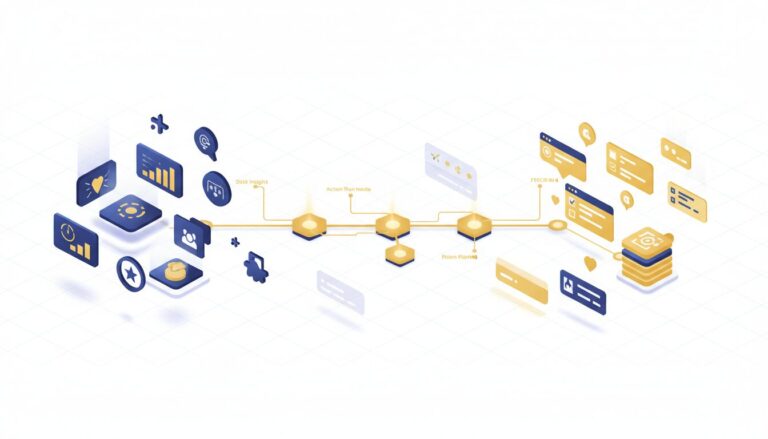
This guide will walk you through the process of connecting Estha AI to Microsoft Teams using webhooks. Unlike traditional integration methods that require extensive coding knowledge, this approach leverages Estha’s no-code platform to make the process accessible to anyone—regardless of technical background. By the end of this article, you’ll be able to send automated notifications, interactive messages, and even deploy AI assistants directly within your Microsoft Teams channels.
Whether you’re looking to streamline internal communications, create automated workflows, or provide your team with instant access to AI-powered insights, this integration will help you transform how your organization collaborates and leverages artificial intelligence.
Connect Estha AI to Microsoft Teams in 4 Simple Steps
Create Teams Webhook
- Navigate to your Microsoft Teams channel
- Access channel connectors via the three dots (…)
- Configure “Incoming Webhook” connector
- Copy the generated webhook URL
Configure Estha AI App
- Log in to Estha Studio
- Open or create your AI application
- Navigate to the Integrations section
- Select webhook integration option
Connect the Webhook
- Paste the Teams webhook URL into Estha
- Design message templates
- Configure trigger conditions
- Set up dynamic message variables
Test and Deploy
- Send a test message to verify connection
- Check formatting in Teams channel
- Test trigger conditions
- Refine and deploy the integration
Key Use Cases
Support Alerts
Real-time notifications for high-priority customer issues
Sales Opportunities
AI-identified upselling and cross-selling alerts
Meeting Summaries
Automated meeting notes and action items
Market Intelligence
Curated industry updates and insights
Benefits of Integration
Centralized Information
Receive AI-generated insights directly in Teams channels where your team already works
Improved Response Time
Alert relevant team members instantly when critical situations are detected
Democratized AI Access
Make AI capabilities accessible to everyone through familiar interfaces
Advanced Customization Options
Adaptive Cards
Interactive buttons and input fields for team engagement
Personalized Alerts
Tailor notifications based on user roles and preferences
Multi-channel Distribution
Route different AI insights to appropriate Teams channels
Start integrating your Estha AI applications with Microsoft Teams today!
No coding knowledge required – just your expertise and ideas.
Understanding Estha AI and Microsoft Teams Integration
Before diving into the technical setup, it’s important to understand what we’re integrating and how these platforms work together. Estha is a no-code AI platform that allows anyone to create custom AI applications without programming skills. These applications can range from specialized chatbots and virtual assistants to interactive knowledge bases and automated data processors—all built using Estha’s intuitive drag-drop-link interface.
Microsoft Teams, on the other hand, is a collaboration platform that combines workplace chat, meetings, notes, and attachments. It serves as a central workspace where team members communicate and collaborate on projects.
The integration between these platforms happens through webhooks—automated messages sent from one application to another when specific events occur. In this case, webhooks allow your Estha AI applications to communicate directly with Microsoft Teams, sending information, notifications, or even interactive cards that team members can respond to.
This integration creates a two-way street: your Estha AI can push information to Teams when certain conditions are met, and your team members can interact with the AI directly from within the Teams interface they’re already familiar with.
Benefits of Connecting Estha AI to Microsoft Teams
Integrating Estha AI with Microsoft Teams delivers numerous advantages that can transform how your organization operates:
Centralized Information Flow: Instead of switching between multiple applications, team members can receive AI-generated insights, reports, and notifications directly in Teams channels where they’re already active.
Improved Response Times: When critical information is detected by your Estha AI application—such as a potential sales opportunity or customer issue—it can immediately alert the relevant team in real-time.
Democratized AI Access: By placing AI assistants within Teams, every team member gains access to powerful AI capabilities without needing to learn new interfaces or workflows.
Enhanced Collaboration: AI-generated content can be instantly shared with the team, fostering discussion and collaborative decision-making based on AI insights.
Streamlined Workflows: Routine tasks can be automated through the integration, allowing teams to focus on higher-value activities while the AI handles repetitive processes.
Consistent Knowledge Distribution: Ensure everyone has access to the same information by having your Estha AI distribute updates, policy changes, or important announcements through Teams.
Prerequisites for Integration
Before beginning the integration process, ensure you have the following:
1. An Estha AI Account: You’ll need access to Estha’s platform to create or modify your AI application. If you don’t have an account yet, you can sign up for Estha Beta.
2. Microsoft Teams Access: Administrative or appropriate permissions within Microsoft Teams to create webhooks.
3. A Specific Estha AI Application: Have a clear idea of which Estha AI application you want to connect to Teams and what information it should send or receive.
4. Channel Identification: Know which Teams channel(s) should receive communications from your Estha AI application.
No programming experience is required for this integration—that’s the beauty of using Estha’s no-code platform combined with Microsoft Teams’ webhook functionality.
Step-by-Step Guide to Connect Estha AI to Microsoft Teams
Step 1: Creating a Webhook in Microsoft Teams
The first step is to create an incoming webhook in the Microsoft Teams channel where you want your Estha AI to send messages:
1. Navigate to the channel: Open Microsoft Teams and go to the specific channel you want to connect with Estha AI.
2. Access channel settings: Click the three dots (…) next to the channel name and select “Connectors” from the dropdown menu.
3. Find the webhook option: In the Connectors dialog, search for “Incoming Webhook” and click “Configure”.
4. Set up the webhook: Give your webhook a name (e.g., “Estha AI Assistant”) and optionally upload an icon that represents your AI application.
5. Create and copy the webhook URL: After clicking “Create,” Microsoft Teams will generate a unique URL. This is your webhook URL—copy and save it as you’ll need it in the next steps.
This URL is the destination where your Estha AI application will send information. Think of it as the mailbox where Teams will receive messages from your AI.
Step 2: Configuring Your Estha AI Application
Now, you’ll need to prepare your Estha AI application to communicate with Microsoft Teams:
1. Log in to Estha: Access your Estha account at https://studio.estha.ai/.
2. Select or create your AI application: Either open the existing application you want to connect or create a new one using Estha’s drag-drop-link interface.
3. Navigate to the integration section: In your application’s dashboard, look for the “Integrations” or “Connections” option (the exact name may vary based on Estha’s current interface).
4. Select webhook integration: From the available integration options, choose “Webhook” or “External Communications.”
5. Configure communication parameters: Define what events or conditions should trigger your AI to send messages to Teams. This could be based on:
– Specific user queries
– Time-based triggers (daily reports, reminders)
– Data thresholds being reached
– External events detected by your AI
Using Estha’s visual interface, you can design these trigger conditions without writing code, simply by connecting the relevant components and defining the parameters.
Step 3: Setting Up the Webhook Connection
With both sides prepared, it’s time to connect them:
1. Enter the webhook URL: In your Estha application’s webhook configuration, paste the webhook URL you copied from Microsoft Teams.
2. Format message templates: Define how your messages to Teams should appear. Estha provides template options that allow you to structure your messages with:
– Title and subtitle
– Main body text
– Images or attachments
– Action buttons (if applicable)
3. Set message variables: Configure dynamic elements in your messages that will change based on the specific situation or data. For example, if your AI is monitoring sales performance, you might include variables for current sales figures, targets, and percentage changes.
4. Define authentication (if needed): Some advanced setups might require additional authentication. If your Teams environment has enhanced security, you may need to configure additional authentication parameters as directed by your IT department.
5. Save the configuration: Finalize the setup by saving your webhook configuration in Estha.
Step 4: Testing the Integration
Before fully deploying your integration, it’s essential to verify that everything works correctly:
1. Send a test message: Most webhook configurations include a “Test” button that sends a sample message. Click this to send a test notification to your Teams channel.
2. Check Teams: Go to your Microsoft Teams channel and verify that the test message appeared correctly.
3. Verify formatting: Ensure the message formatting looks as expected, with all text elements, images, and any interactive components displaying properly.
4. Test trigger conditions: If possible, simulate the conditions that would normally trigger your AI to send messages and confirm that they work as expected.
5. Refine as needed: Based on your test results, make any necessary adjustments to message formatting, trigger conditions, or other parameters.
Customizing Your Estha AI Teams Integration
Once the basic integration is working, you can enhance it with various customizations:
Adaptive Cards: Microsoft Teams supports interactive Adaptive Cards that can include buttons, input fields, and other interactive elements. Estha can be configured to send these more advanced message types, allowing team members to not just receive information but also respond or take action directly from within Teams.
Personalized Notifications: Configure your Estha AI to personalize messages based on the recipient or context. For example, addressing team members by name or tailoring content based on their role or previous interactions.
Scheduled Communications: Set up regular communications from your AI, such as daily summaries, weekly reports, or periodic reminders about important tasks or deadlines.
Conditional Formatting: Make your messages more visually informative by using conditional formatting. For example, using red text for urgent notifications or green for positive developments.
Multi-channel Distribution: Configure your Estha AI to send different types of information to different Teams channels. For instance, sales updates to the sales channel, customer support issues to the support channel, and general announcements to the company-wide channel.
Troubleshooting Common Integration Issues
If you encounter problems with your integration, here are some common issues and their solutions:
Messages Not Appearing in Teams:
– Verify the webhook URL is correctly copied into Estha
– Check that the Teams channel still exists and hasn’t been renamed
– Confirm that the webhook hasn’t been deactivated by a Teams administrator
– Ensure your network allows the communication between Estha and Microsoft servers
Formatting Issues:
– Review the message template in Estha to ensure it follows the correct formatting syntax
– Test with a simpler message format to isolate complex elements that might be causing problems
– Check if any special characters or emojis in your messages might be causing display issues
Trigger Problems:
– Verify that the conditions you set for triggers are being met
– Look for any errors in the condition logic
– Check if there are any data access issues preventing your AI from evaluating trigger conditions
Performance Issues:
– If there’s a delay in messages appearing, check for rate limiting on either the Estha or Microsoft Teams side
– Consider reducing the frequency of updates if you’re sending many messages in a short time period
Use Cases and Examples
To inspire your implementation, here are some practical ways organizations are using the Estha AI and Microsoft Teams integration:
Customer Support Alert System: An Estha AI application monitors customer support tickets and sends alerts to Teams when high-priority issues are detected, including relevant customer information and suggested responses.
Sales Opportunity Notifier: The AI analyzes customer behavior data and notifies the sales team in Teams when it identifies potential upselling or cross-selling opportunities, complete with customer history and product recommendations.
Meeting Summarizer: After team meetings (which can be recorded and transcribed), an Estha AI processes the content and posts a concise summary of key points, decisions, and action items to the relevant Teams channel.
Market Intelligence Updates: An Estha AI application monitors news sources, social media, and industry publications, then sends curated updates on relevant market developments directly to Teams.
Interactive Training Assistant: A learning-focused Estha AI can provide training materials and respond to questions directly in Teams, helping team members develop new skills without leaving their collaboration platform.
Project Management Monitor: The AI tracks project milestones and deadlines, sending updates, celebrations for completed tasks, and warnings about approaching deadlines to keep the team aligned.
Each of these implementations can be created without writing code, using Estha’s intuitive platform to define the logic and Microsoft Teams webhooks to deliver the information exactly where it’s needed.
Conclusion
Connecting your Estha AI applications to Microsoft Teams via webhooks creates a powerful synergy between artificial intelligence and team collaboration. This integration brings AI-driven insights and automations directly into your team’s daily workflow, enhancing productivity and decision-making without requiring team members to learn new systems or interfaces.
The beauty of this approach lies in its accessibility—thanks to Estha’s no-code platform, anyone can create these integrations regardless of their technical background. This democratization of AI technology enables teams across all departments to benefit from custom AI applications that address their specific needs and challenges.
As you implement this integration, start with simple use cases and gradually expand to more complex scenarios. Gather feedback from your team to refine the AI’s communications and make them increasingly valuable over time. Remember that the most successful integrations are those that solve real problems and fit seamlessly into existing workflows.
By bringing together Estha’s AI capabilities and Microsoft Teams’ collaboration features, you’re creating a more intelligent, responsive, and efficient workplace—one where human creativity and AI capabilities complement each other to achieve better outcomes.
Ready to enhance your team collaboration with AI?
Build your custom AI application and connect it to Microsoft Teams in minutes with Estha’s no-code platform. No technical expertise required—just your knowledge and ideas.